Finding a cool indie game can feel harder than it should. Steam adds more releases every week, social feeds reward whatever is loudest, and even a promising recommendation can arrive wrapped in exaggerated praise. I have a large play-later list and very little free time, so I look for games with a clear idea, a manageable scope, and enough confidence to avoid copying whatever is currently popular. That is usually where the good surprises are.
A cool indie game does not need a giant map, a hundred-hour campaign, or a strange mechanic nobody has seen before. It needs a reason to exist. Maybe it creates a tense decision loop, tells a small story with unusual patience, or turns a familiar genre into something more personal. The best discoveries often feel less like finding a blockbuster and more like finding a well-made tool in a crowded hardware aisle: practical, specific, and immediately useful.
Start with the idea, not the store page
When I check out a cool indie game, I first ask what the player actually does for most of the experience. Store descriptions often lead with atmosphere, lore, or a list of features. Those details can matter, but the core loop tells me whether the game will fit an evening after work. Are you arranging a town, surviving short expeditions, decoding clues, managing a fragile relationship, or building a deck one imperfect choice at a time?
A useful store page should answer that question without making you read a full wiki. Look for a gameplay trailer that shows sustained play rather than cinematic clips. Screenshots should show menus, encounters, or ordinary moments, not only the most dramatic scene. If every sentence promises an unforgettable journey, I become more cautious. A smaller game is often more appealing when it explains its limits honestly.
This approach also protects your budget. A $15 or $20 purchase can be easy to justify, but three impulse buys still add up to the price of a major release. A ten-minute look at the trailer, user reviews, and controller notes can prevent a game from sitting untouched in your library.

What makes a cool indie game stick
The strongest smaller games usually have one or two things they understand deeply. A focused horror game might know exactly how long to let a hallway stay quiet. A compact tactics game might make positioning more interesting than character leveling. A narrative adventure might use an ordinary apartment, roadside motel, or family kitchen to create tension without explaining every feeling.
That focus matters more to me than raw content. A game with six excellent hours can be more satisfying than one with thirty padded hours. Repetition is not automatically a flaw; it becomes a problem when the repetition does not reveal anything new. Good indie design uses a limited set of parts and keeps asking better questions of them.
Pay attention to friction, too. Some rough edges are part of the appeal, especially in experimental work, but unclear controls and unreliable saving can turn curiosity into work. Check recent reviews for practical information: performance on Steam Deck, subtitle options, controller support, cloud saves, and whether the final release differs substantially from the demo. Those details are more useful than a vague claim that the game is “immersive.”
A few places to look beyond the front page
Steam discovery queues are useful, but they tend to reinforce what already has momentum. I get better results by browsing festival demo pages, itch.io collections, developer updates, and recommendation threads where people explain what they liked. The explanation is important. “This is amazing” tells me almost nothing. “The combat is simple, but every fight forces you to choose between safety and information” gives me a reason to investigate.
YouTube channels such as Skill Up and Iron Pineapple can help surface games outside the largest marketing campaigns, although I still treat any review as a starting point. A creator may have different tolerance for repetition, difficulty, or unfinished edges. Smaller recommendation videos are sometimes even more useful because they spend time describing the texture of play instead of trying to cover every major release.
For a cool indie game, the demo can be especially revealing. Play long enough to see the main loop, not just the opening cutscene. Notice whether the game gives you a meaningful decision within the first half hour. If it does, save the title and return later rather than buying immediately. Wishlists are not failure; they are a practical queue for a person whose free time is divided between work, family, and everything else.
How to judge an overlooked release
A game can be overlooked for reasons unrelated to quality. It may have launched during a crowded week, used a title that was difficult to search, released without a major publisher, or been described so narrowly that potential players assumed it was not for them. Sometimes the first hour is deliberately quiet, which makes it easy to miss if early reviews focus only on instant spectacle.
When revisiting an older release, read reviews from different periods. Early comments may document bugs that were later fixed, while recent comments can reveal whether updates changed the balance or added accessibility options. Look for repeated observations rather than one dramatic complaint. If several players mention a slow opening but praise the systems after it, you can decide whether that trade is acceptable for your schedule.
I also check how a game handles failure. Does a restart teach you something? Are checkpoints sensible? Can you adjust difficulty without losing the intended rhythm? These questions separate meaningful challenge from needless inconvenience. A cool indie game does not have to be easy, but it should make your time feel respected.
Match the game to the evening you actually have
The right recommendation depends on your available attention. After a long workday, I may want a compact mystery with clear chapters rather than a sprawling role-playing game that expects me to remember twelve factions. On a quiet Saturday morning, a slower management game can be exactly right. The best cool indie game is not always the most ambitious one; it is the one that fits the hour you can give it.
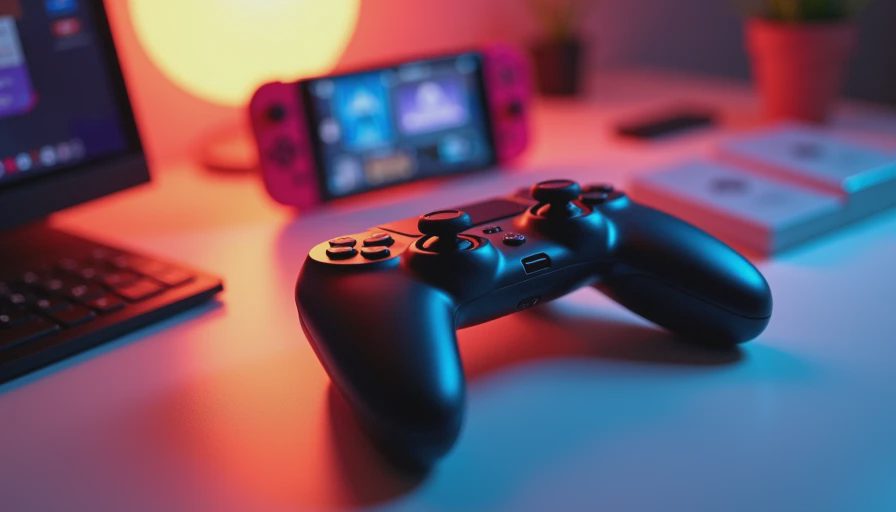
Before buying, check whether the game supports short sessions. Manual saves, chapter breaks, pause options, and clear objective tracking make a major difference. A title that requires uninterrupted concentration can be excellent, but it belongs in a different part of the backlog. This simple matching process has saved me from abandoning good games at the wrong time.
It also helps to set a small test window. Give a new purchase 60 to 90 minutes, long enough to reach the actual loop. If the controls still feel uncomfortable and the central idea has not appeared, move on without guilt. Your library is not a moral obligation, and a recommendation is not a promise that every game will suit you.
The quiet recommendation is often the useful one
I am not looking for a masterpiece every time I browse. A cool indie game can be uneven and still deliver a memorable system, a sharp mood, or a few hours that feel unlike anything else. Some games are worth playing because they are polished; others are worth playing because they take a sincere, unusual swing and connect more often than they miss.
That is the standard I use for this blog. I want to explain what a game does, who it suits, where it drags, and why it might have been buried. If a title needs patience, I will say how much. If its final act does not land, that matters too. Honest limits make a recommendation more useful than endless enthusiasm.
Start with one game that matches your current mood, not the game dominating the homepage. Read a few recent reviews, try the demo if one exists, and give the opening enough time to show its real shape. Not everything loud is worth your time. Not everything quiet should be missed. Sometimes the next cool indie game is already waiting beneath the release noise.



No notes on this sheet yet.