The best top indie games are not always the ones filling your social feed. Sometimes they are sitting several pages deep in a Steam queue, waiting behind a familiar sequel, a huge open-world release, or a festival demo that never received much attention. For adult players with limited evenings, discovery is less about finding something new and more about finding something that earns the time it asks for.
I approach top indie games with a fairly practical filter. Does the core idea become clear quickly? Does the game respect a player who can only manage a few sessions each week? Is there a reason to remember it after the credits? Not every recommendation needs to be a masterpiece. A focused six-hour game with one excellent idea can be more satisfying than a 70-hour checklist.
What makes a small game worth your time
The strongest top indie games usually have a clear center. That might be the precise movement of Celeste, the quiet environmental storytelling of Kentucky Route Zero, or the compact tactical decisions in Into the Breach. These games do not need dozens of systems competing for attention. They know what they are trying to do, then spend their limited budget making that experience feel deliberate.
That focus also helps when life gets crowded. A game with readable objectives and reliable save points is easier to return to after work, dinner, or getting the kids settled. Short sessions do not feel like a compromise when the design has been built around meaningful progress. The question is not simply whether a game is long enough. It is whether each hour has something useful to offer.
This is where smaller releases can beat expensive blockbusters. A giant game may offer more map, more dialogue, and more upgrade screens, while a modest project offers a sharper mood or a mechanic you have not seen before. The difference is not production value. It is intention.
Top indie games for different kinds of evenings
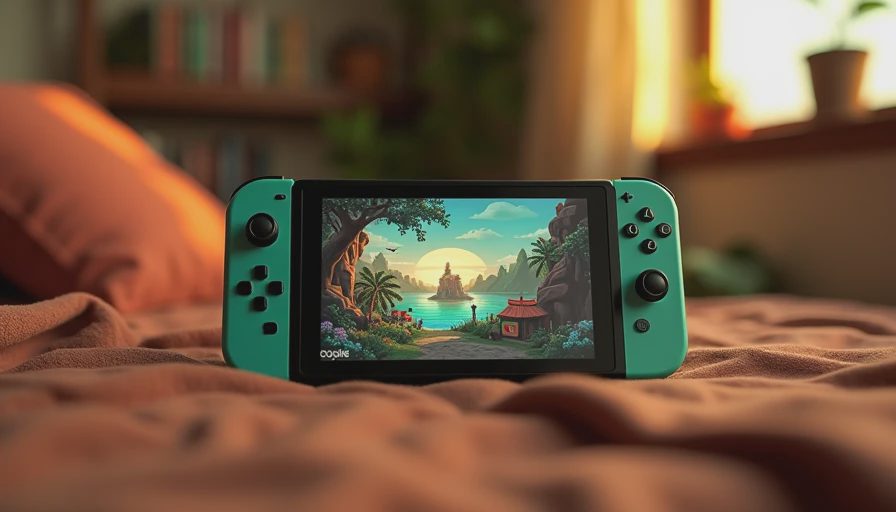
If you want a calm evening, look toward games such as A Short Hike, Unpacking, or Dorfromantik. They provide clear goals without demanding constant concentration. Unpacking is especially good at turning ordinary objects into small pieces of character history, while A Short Hike understands that wandering can be the entire point. These are top indie games for players who want to relax without feeling as though they are watching a screensaver.
For a more demanding session, Return of the Obra Dinn and Slay the Spire offer very different forms of attention. Obra Dinn asks you to observe, compare, and trust your deductions. Slay the Spire turns a card deck into a series of decisions where a seemingly minor choice can shape an entire run. Neither game needs a dramatic story beat every ten minutes. Their systems create the momentum.
If you have only 30 minutes, Vampire Survivors and Dicey Dungeons are easy recommendations. They create satisfying runs quickly and make failure useful. You can stop after one attempt or keep going longer than planned. That flexibility matters when your available gaming time arrives in uneven pieces.
Buried finds that deserve a closer look
The top indie games I return to are often the ones that communicate their value slowly. Strange Horticulture, for example, builds a mystery around identifying plants and helping people who bring complicated problems to your shop. The appeal is not a massive plot twist. It is the feeling of gradually becoming competent in a very specific, slightly unsettling job.
The Case of the Golden Idol takes a similar approach through murder investigations. It gives you a scene, a set of people, and enough clues to form a conclusion. The satisfaction comes from making the connection yourself rather than waiting for a character to explain it. That kind of design respects the player’s attention.
Norco is another worthwhile example. Its industrial Southern setting, family tensions, and unusual imagery create a mood that is difficult to reduce to a genre label. It is not a game for every night, and some of its choices are deliberately strange. Still, it has a voice, which is increasingly rare in a market full of safe visual shorthand.
This one got buried partly because these games do not fit neatly into a sales pitch. Their best qualities appear through play, not a two-second trailer. That is exactly why they need someone to mention them.
How to find better recommendations without chasing hype
Start with a constraint instead of a genre. Search for a game under eight hours, a turn-based game with easy saves, or a story-driven title that does not require combat. This produces more useful results than browsing every new release tagged “indie.” A narrow need gives discovery some shape.
Next, read recent player reviews rather than relying only on the overall score. Look for comments about pacing, controller support, performance, difficulty, and save design. Those details matter more than whether a reviewer calls a game “beautiful.” A highly rated title with awkward keyboard controls might be a poor fit for your setup, while a less visible game with excellent Steam Deck support could be ideal.
Watch a few minutes of unedited gameplay if you are uncertain. Trailers can hide repetition, but regular play shows how often the central loop appears. For top indie games, that loop is usually the whole case. If the first ten minutes show exactly the kind of decision-making or exploration you want, the purchase is easier to justify.
Price also deserves a practical approach. Many excellent games appear between $10 and $25, and seasonal sales can bring them below the cost of a movie night. A short game is not automatically poor value. Four memorable hours can be a better purchase than twenty hours spent cleaning up repetitive tasks.
A simple shortlist for your backlog
When I build a shortlist of top indie games, I use five questions. What is the main activity? How soon does the game show it? Can I save when real life interrupts? Does the art direction support the mood? Would I still recommend it without mentioning its review score?
That last question removes a lot of noise. A game can be technically impressive and still not fit your current mood. Conversely, a plain-looking title can become the one you think about during a morning commute because its idea landed cleanly. Recommendation lists work best when they help you identify that fit.
It also helps to keep three categories: play soon, revisit later, and probably skip. The middle category prevents your backlog from becoming a guilt list. Some games are good but wrong for this month. Others are top indie games precisely because they work when you are ready for their particular pace, whether that means a quiet puzzle, a tense strategy run, or an odd little story.
The quiet advantage of smaller games
A smaller game has fewer places to hide. When it succeeds, the success is often easy to feel: a movement system clicks, a mystery becomes legible, or a handful of characters stays with you. The best top indie games make that clarity feel intentional rather than limited.
Not everything loud is worth your time. Not everything quiet should be missed. If you are tired of release calendars and algorithmic recommendations, start with one focused idea, one manageable evening, and a game that has something specific to say. That is usually where the better discoveries begin.



No notes on this sheet yet.