Indie video games are easy to find and surprisingly difficult to choose. Steam has endless discovery queues, itch.io has more experiments than anyone can reasonably play, and every showcase seems to introduce another dozen promising trailers. For an adult player with a job, family, and a backlog that already feels slightly unreasonable, more choice is not automatically useful. The better question is simple: which smaller games deserve a place in your limited free time?
I am less interested in declaring the next hidden masterpiece than in explaining why a particular game might fit your evening. Some indie video games deliver a tight six-hour story. Others become the thing you play for twenty minutes after the house is quiet. A few are rough around the edges but offer an idea that larger productions would never risk. Not everything loud is worth your time. Not everything quiet should be missed.
Why Smaller Games Often Land Better
The strongest indie video games usually make a narrow promise and follow through. A game might focus on environmental storytelling, compact tactical decisions, strange character writing, or the simple pleasure of exploring a well-designed space. It does not need to include every system from a major open-world release. In fact, the absence of filler can be the main attraction.
That focus matters when your attention is already divided. A game like A Short Hike understands that a small map can still feel inviting when every path has a reason to exist. Norco uses atmosphere and writing rather than constant action to make its world memorable. Against the Storm turns short settlement runs into a manageable strategy habit instead of asking you to maintain one enormous kingdom forever. These are different experiences, but each knows what it wants to be.
This is also why I try not to judge a game by its production scale alone. A modest interface, limited animation, or unusual visual style can be completely acceptable when the underlying decisions are thoughtful. What it does well is smaller—and smarter—than the marketing suggests.

How to Find Indie Video Games Without Drowning in the Storefront
Start with a specific need instead of a broad genre. Search for a short narrative game, a turn-based strategy game with quick sessions, or a relaxing exploration game. “Something good” is too vague for any storefront algorithm to handle well. “A mystery I can finish over two weekends” gives you a useful filter.
Then look past the first row of popular releases. Read recent reviews, but pay attention to repeated details rather than the average score. Players often reveal the practical truth: whether a game has frequent crashes, whether the opening is slow, whether controller support works, or whether the final hours become repetitive. A game with a Mixed rating can still be right for you if the criticism concerns a feature you do not care about.
Demos are another efficient filter. Steam Next Fest and itch.io collections can provide enough hands-on time to identify a game’s basic rhythm. Does movement feel good? Do conversations make you curious? Is the central loop understandable without a tutorial that takes an hour? You do not need to finish a demo. Ten focused minutes can tell you more than another page of enthusiastic comments.
I also keep a separate “play soon” list rather than saving everything. Five games feels like a plan. Fifty games is digital storage with a guilt attachment. Indie video games are at their best when you give them room to become an evening, not when you treat them as collectibles.
A Few Reliable Starting Points
If you want atmosphere, look toward games such as Signalis or Norco. Neither is a casual background experience, but both show how strong setting and deliberate writing can carry a smaller production. If you want exploration with less pressure, A Short Hike remains a useful recommendation because it respects your time and does not confuse length with value.
For players who want systems, Against the Storm offers a different kind of commitment from a traditional city builder. Runs have a clear shape, and the reset structure makes it easier to stop without feeling that an entire campaign has been abandoned. Cocoon is a good option for someone who wants compact puzzles and a clean visual presentation without a large inventory of upgrades or side quests.
These suggestions are not a universal starter pack. Someone who dislikes horror should not force themselves through Signalis because a recommendation list says it is important. Someone who wants a long character-driven RPG may find A Short Hike too slight. The point is to match the game’s actual shape to your available attention. That is where many indie video games become more rewarding than their louder competitors.
How to Decide If a Buried Game Is Worth Buying
Look for evidence of a complete idea. A store page should make its central activity clear without relying entirely on adjectives such as “immersive,” “cinematic,” or “unforgettable.” Watch a few minutes of unedited gameplay if possible. Check the update history for games that launched recently, especially if technical problems are central to user complaints.
Price should be part of the decision, but not the only part. A $15 game that gives you a focused weekend can be a better purchase than a $60 release you abandon after three hours. Sales are useful, though waiting for a discount is not always necessary when a small studio has clearly made something you are likely to play now. The cost per hour is not a perfect measurement, but it can help separate genuine interest from bargain hunting.
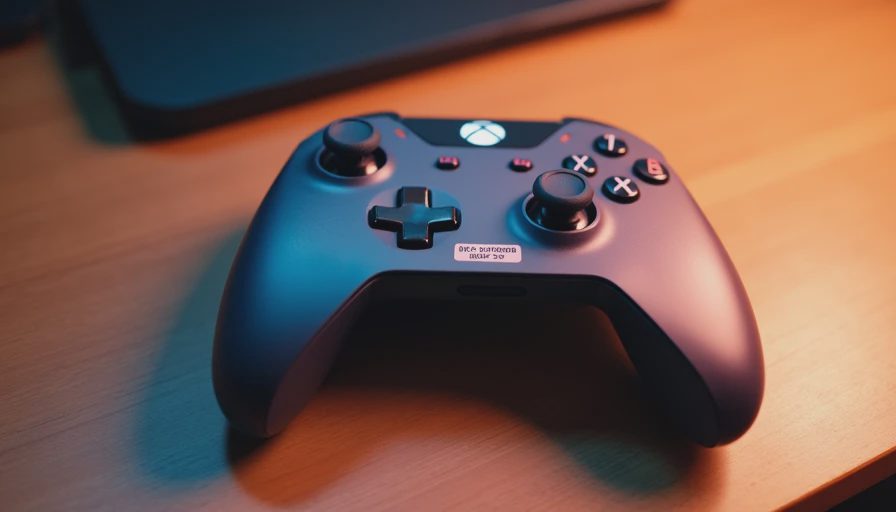
Think about your setup, too. Some indie video games feel best with a controller, while others are built around a mouse and keyboard. Verify platform availability before getting invested in a recommendation. Save files, accessibility options, text size, and subtitle controls matter more when you are playing late at night or sharing a television with other people.
Build a Better Backlog
A useful backlog has categories based on mood, not just genre. I keep separate notes for “quiet and short,” “needs concentration,” “good with a controller,” and “strange but promising.” This makes choosing easier on a tired Friday evening. It also prevents the familiar mistake of buying another demanding strategy game when what you actually want is twenty minutes of exploration.
Choose one active game and one backup. The active game receives your attention; the backup gives you an escape when its pacing stops working. If neither is appealing after two sessions, remove them without drama. Time spent forcing yourself through a game is not proof of commitment, and a purchase is not a contract.
The best indie video games often arrive without a giant launch moment. You notice them through a demo, a patient recommendation, or a review that explains one specific mechanic instead of shouting about greatness. That is enough. A good discovery process should leave you curious, not exhausted.
This one got buried? Maybe. But buried does not mean perfect, and overlooked does not mean automatically deserving. Take the time to understand what a game is offering, match it to the kind of evening you have, and let the quieter releases compete on their actual strengths. Not a masterpiece. Still worth your time can be a better recommendation than another guaranteed classic.


No notes on this sheet yet.