The best indie games are not always the ones dominating a showcase, filling a storefront banner, or appearing in every recommendation thread. Sometimes they are the games you notice at 10:30 p.m. after the house is quiet, play for twenty minutes, and then realize an hour has gone by. That kind of discovery matters more to me now than keeping up with every release. Free time is limited, and a good recommendation should respect that.
This is not a ranking carved into stone. It is a practical shortlist of games with a clear identity, strong execution, and enough personality to survive outside the release-week conversation. Some are well known now. Others got buried. The point is to help you find something worth installing tonight without turning your backlog into another source of pressure.
Why the best indie games feel different
The best indie games usually make a smaller promise and keep it. A focused puzzle game does not need forty hours of side content. A story-driven adventure does not need a combat system bolted onto every chapter. A compact horror game can create more tension with a hallway, a bad light, and a sound behind you than a large production can create with a map full of icons.
That focus is the real advantage. Smaller teams often have less room for filler, so the central idea has to carry more weight. Outer Wilds builds its experience around curiosity and discovery rather than a conventional checklist. Citizen Sleeper turns conversations, dice rolls, and limited time into a thoughtful rhythm. Cocoon communicates much of its world through movement, color, and spatial logic instead of long explanations.
Not every unusual idea works, and originality alone is not a reason to recommend a game. What matters is whether the mechanics, writing, art, and pacing are pulling in the same direction. When they are, even a short game can stay with you longer than a sprawling release you abandoned at the halfway point.
How to choose from a crowded shortlist
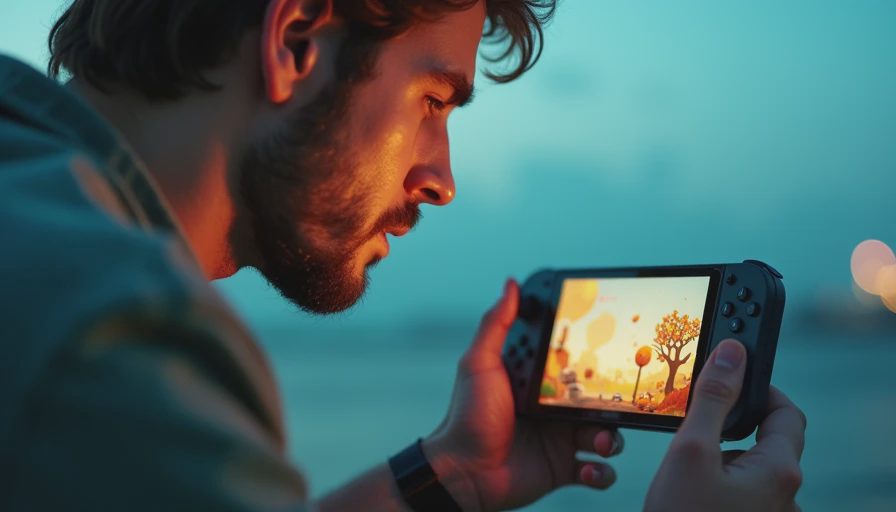
Start with the kind of attention you have available, not the genre you think you should be playing. If you are tired after work, a complicated strategy game might feel like homework even if it is excellent. A calm exploration game, a short mystery, or a turn-based adventure can fit better. The best indie games for a weeknight are often the ones that let you stop naturally instead of demanding a three-hour session.
Look at the first hour as a useful test. Does the game establish its basic loop clearly? Do you understand what your decisions affect? Is the friction creating interest, or merely slowing you down? A game does not need to explain everything immediately, but it should give you a reason to continue. If the tutorial is still introducing basic systems after two hours, the recommendation needs a strong qualification.
Platform also matters. Steam is still a deep place to browse, especially if you are willing to read recent reviews instead of relying only on the overall score. Consoles can be better for a clean, low-effort evening on the couch. Itch.io remains valuable for unusual experiments and compact games, though it rewards patience and a willingness to try something without a polished marketing campaign.
Best indie games for different moods
For a quiet science-fiction story, Citizen Sleeper remains an easy recommendation. Its dice-based structure gives each day a little tension, while the writing makes its station feel populated by people rather than quest dispensers. It is thoughtful without becoming a lecture, and its manageable length makes it easier to finish than many large role-playing games.
For mystery and exploration, Outer Wilds is still the rare game I hesitate to describe in detail because the details are the reward. You are given a solar system, a curious problem, and tools that gradually make the world more legible. It asks for attention rather than grinding. If you can approach it with minimal spoilers, do that.
For something tense, Signalis is a strong choice for players who miss survival horror with limited resources and a strange, oppressive atmosphere. It is not interested in making every encounter comfortable. The inventory pressure and fragmented storytelling can feel severe, but that discomfort is part of its identity rather than an accident.
For a shorter evening, try a compact puzzle or narrative game instead of opening another enormous open-world title. The best indie games in this category often finish before their central idea wears thin. A focused two-to-six-hour experience can be exactly right when you want a complete arc and do not want to schedule your weekend around it.
Games that were buried for the wrong reasons
A release can disappear because it launched beside a major blockbuster, arrived on a crowded storefront, or asked for more patience than the first trailer suggested. That does not mean it failed creatively. Norco is a good example of a game whose appeal depends on mood, writing, and strange details rather than conventional action. It will not suit everyone, but its industrial Gulf Coast setting and unsettling character work give it a distinct voice.
Tunic also deserves a place on a best indie games shortlist, although its cute presentation can make it look simpler than it is. Beneath the bright visuals is a game about observation, secrets, and learning how to read the world. The instruction manual is part of the puzzle, and the pleasure comes from realizing that a detail you dismissed earlier was quietly important.
Dredge reached a wider audience, but its basic pitch still sounds smaller than the experience: fish by day, deal with unsettling things after dark. The loop works because each trip gives you a practical decision. Do you return safely, or stay out longer for a better catch? That pressure is simple, legible, and surprisingly effective.
A better way to build a play-later list
Keep the list short enough that you can actually use it. I usually separate games into three groups: something for a tired night, something demanding for a free weekend, and something experimental when I want to take a chance. Five games in each group is plenty. More than that becomes digital clutter with a nicer interface.
Read about the first meaningful decision rather than the entire plot. Check whether the game supports your preferred controller, whether its save system fits your schedule, and whether the difficulty can be adjusted without removing the point of the challenge. These details are not glamorous, but they decide whether a recommendation survives contact with real life.
It also helps to give a promising game a clean trial instead of bouncing between ten demos. Play long enough to understand its loop, then make a decision. If the writing irritates you or the controls feel wrong, move on without guilt. There will always be another game, and a good list should reduce pressure rather than create it.
The quiet case for playing less, but better
The best indie games are not valuable because they are smaller. They are valuable because they often know what they want to do. A game with one strong idea, a memorable setting, and a respectful runtime can earn a permanent place in your memory. A huge game with endless systems can still feel disposable if none of those systems matter.
That is the filter I use when deciding what belongs on Soft Respawn: Does this game offer a reason to pay attention? Does it do something specific well? Would I recommend it to a friend who only has a few evenings available? If the answer is yes, it deserves a mention, even if the release cycle has already moved on.
Not everything loud is worth your time. Not everything quiet should be missed. Start with one game that matches your current mood, set aside the pressure to finish everything, and let the right discovery earn its place on your shelf.



No notes on this sheet yet.