The Moment I Learned Something
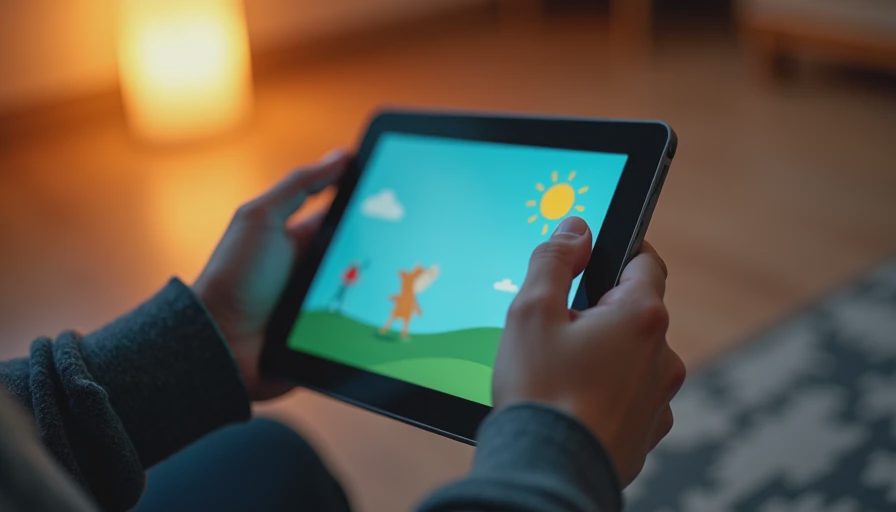
I was watching my daughter play a game.
She was about six. She was playing a simple platformer on her tablet. The controls were basic. The graphics were simple. The game was designed for children.
But I watched her play, and I realized something.
She wasn't thinking about game design. She wasn't thinking about mechanics or pacing or engagement. She was just playing. She was having fun. She was discovering.
She would try things without worrying about failure. She would explore without worrying about progress. She would enjoy the journey without worrying about the destination.
I learned more about game design from watching her play than from any review I'd ever read.
Wonder
The first thing I noticed was wonder.
My kids approach games with curiosity. They don't know what's coming. They don't have expectations. They discover things as they go.
When they find something new, they're genuinely delighted. A hidden path, a funny character, a secret area. Their eyes light up.
I used to have that wonder. I used to be excited by discovery. But over time, I lost it. I became cynical. I became jaded. I started predicting what would happen before it happened.
Watching my kids reminded me what wonder feels like.
Friction
The second thing I noticed was friction.
My kids don't get frustrated by friction the way I do. They don't mind clunky controls. They don't mind unclear instructions. They don't mind failing.
They just try again. They experiment. They figure it out.
I've been playing games for decades. I have expectations. I have standards. When a game has friction, I get annoyed. I move on.
My kids don't do that. They embrace the friction. They learn from it. They overcome it.
Play
The third thing I noticed was play.
My kids don't play games to finish them. They play to play. They explore. They experiment. They do things that aren't part of the game's goals.
They'll spend ten minutes just jumping around. They'll spend twenty minutes talking to the same character. They'll replay the same level over and over.
They're not trying to complete. They're trying to enjoy.
What I Learned
Watching my kids taught me a few things.
Wonder is a choice. You can choose to approach games with curiosity. You can choose to be delighted by discovery. You can choose to let yourself be surprised.
Friction is part of the experience. Not everything needs to be smooth. Not everything needs to be easy. Friction can be a teacher. It can be part of the joy.
Play is the point. Games are for playing. Not for finishing. Not for completing. Not for achieving. For playing.
How It Changed My Gaming
I've changed how I play games.
I try to approach them with more wonder. I try to let myself be surprised. I try to stop predicting what's coming.
I try to embrace friction. I try to see it as part of the experience. I try to learn from it.
I try to focus on play. I try to enjoy the moment. I try to stop worrying about progress.
It's not always easy. I've been playing for a long time. I have habits. I have expectations. But I'm trying.
The Best Teacher
I've learned more about games from my kids than from any expert.
They're not critics. They're not designers. They're just players. Pure, uncomplicated, joyful players.
They reminded me why I started playing games in the first place. Not to finish. Not to achieve. Not to be good.
Just to play.
The Bottom Line
Watching my kids play games taught me about wonder, friction, and play.
They approach games with curiosity. They embrace friction. They focus on play.
I try to do the same.
Not a masterpiece. Still worth your time.
Not everything loud is worth your time. Not everything quiet should be missed.

No notes on this sheet yet.