Indie horror games are often at their best when they do not have the budget to explain everything. A small team cannot always build a huge monster, a sprawling map, or a dozen elaborate set pieces, so it has to make a hallway feel wrong. It has to turn a familiar sound, an awkward pause, or a badly lit room into something you remember after shutting down your PC. That restraint is exactly why I keep looking for them.
Not everything loud is worth your time. Not everything quiet should be missed. The best smaller horror releases understand that fear works better when the game trusts you to notice what has changed.
Why smaller horror games can feel more personal
Large horror productions often have a recognizable rhythm: explore, solve, survive, watch a dramatic sequence, then repeat. There is nothing automatically wrong with that structure. Games such as Resident Evil 2 and Alien: Isolation are excellent at using it. But independent developers can take stranger routes because they are not always trying to satisfy a broad audience.
One of the strongest advantages of indie horror games is their willingness to stop before an idea becomes comfortable. A game might last ninety minutes and focus on one apartment, one roadside motel, or one unreliable recording. That limited scope can create pressure. You learn the space quickly, which means every small change matters. A chair facing the wrong direction can carry more weight than an expensive cinematic.
The tradeoff is that these games can be rough around the edges. Menus may be basic, voice acting may be uneven, and a few endings may feel underwritten. I can live with that when the central idea has a pulse. A polished game with nothing to say is harder to forgive than a strange little project with two genuinely unsettling scenes.
How to find the good ones without wasting a weekend
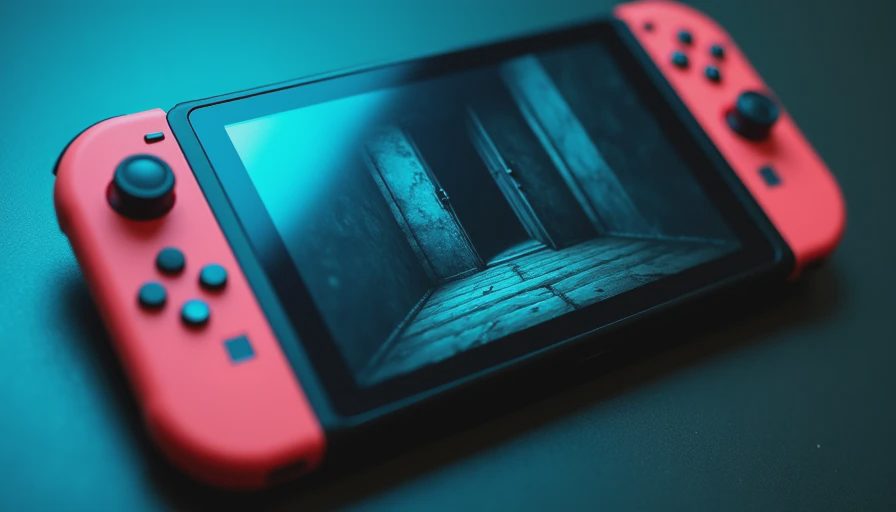
The store page is a useful starting point, but it is not a final judgment. Screenshots can show atmosphere while hiding repetitive stealth, clumsy combat, or an ending that arrives before the premise has developed. When browsing indie horror games, I look for a clear description of the experience rather than a pile of adjectives such as terrifying, immersive, and unforgettable.
Playtime is another important clue. A two-hour game is not automatically a rip-off, particularly if it has a strong arc and a fair price. A $5 to $15 release can be an excellent Saturday night purchase. On the other hand, a short game that pads its runtime with slow walking and repeated corridors is not suddenly valuable because it calls itself cinematic.
I also read recent reviews for practical details. Do players mention controller support? Are subtitles available? Does the game run properly on a midrange laptop? Is the final chapter functional, or did an update introduce problems? Those details matter more than a dramatic trailer when you have a backlog and only a few free hours after work.
Itch.io is especially good for browsing unusual horror experiments, while Steam is more convenient for wish lists, updates, and refunds. I use both, but I try not to confuse visibility with quality. A game with a few hundred reviews can be worth your attention, and a heavily promoted release can still be a poor fit.
The horror styles that deserve a closer look
Not all indie horror games are trying to make you jump. Some are built around dread, which is slower and often more effective. Dread comes from understanding that something is wrong without knowing when the game will force you to respond. There may be no chase for fifteen minutes, but you are listening to every door and checking every dark window.
Found-footage horror is another common approach. When it works, the limited visual quality becomes part of the fiction. Grain, compression, and a narrow field of view can make a recording feel incomplete, as if you are seeing evidence rather than a carefully staged level. When it fails, the result is simply a filter placed over an ordinary game. The difference depends on whether the visual style supports the story.
There are also puzzle-focused titles, survival horror throwbacks, psychological stories, and games that borrow from urban legends. I tend to favor projects that understand their own boundaries. A mystery that leaves a few questions open can stay with me. A mystery that refuses to explain anything can feel like a draft.
What makes a recommendation worth trusting
A good recommendation should tell you what the game actually asks you to do. “Scary” is not enough. Will you explore a fixed location? Manage limited resources? Read documents? Hide from an enemy? Make choices that affect the final scene? Those answers help a reader decide whether the game fits the evening they have available.
When I write about indie horror games, I also try to separate atmosphere from mechanics. A game can create an incredible sense of place while offering dull objectives. Another can have plain visuals but a clever interaction that changes how you understand the room. Both observations belong in a useful recommendation. Praise should not erase the parts that might frustrate you.
Spoiler discipline matters too. Horror depends on discovery, so I would rather describe the setup, pacing, and general texture than explain every reveal. You should know whether the game is likely to include chase sequences or disturbing imagery, but you do not need the exact reason a hallway becomes important.
A practical way to choose your next scare
Start with the mood you want. If you are tired and want a compact experience, choose something built around exploration rather than demanding combat. If you have a full evening, a longer survival horror game may provide better value. If you are playing with friends watching from the couch, a strange first-person mystery can create better conversation than a relentlessly loud action game.
Then check the basics. Look at the listed platform, input support, content warnings, save system, and recent technical comments. Watch one short gameplay clip if the screenshots are vague. Do not watch the whole walkthrough; horror loses some of its effect when every scare has been mapped in advance.
Finally, give the game enough time to establish its language. Some indie horror games begin quietly because they are teaching you what to notice. That does not mean every slow opening deserves patience, but twenty minutes is often not enough to judge a mystery built around atmosphere. If the writing, controls, and central question are all failing after that point, move on without guilt.
A short list-making habit that helps
I keep three categories in my backlog: play soon, wait for a sale, and probably skip. That simple sorting system prevents every interesting trailer from becoming a commitment. A $10 game with a strong premise can move into play soon if I have a free night. A technically rough release may fit the sale list. A title with an appealing setting but no clear gameplay usually stays unplayed.
The same method works when choosing among indie horror games. Ask whether the premise creates a specific question, whether the mechanics support the mood, and whether the expected runtime matches the price. Those are ordinary questions, but they cut through a lot of promotional noise.
The best discovery is not always a masterpiece. Sometimes it is a compact game with one memorable location, one sharp idea, and an ending you keep thinking about while loading the dishwasher. This is the kind of game that needs someone to mention it. If you want more indie horror games that value atmosphere over volume, start with the overlooked releases, read past the launch-week noise, and give the quieter ones a fair look.
No notes on this sheet yet.