The Horror Game I Almost Skipped
I almost skipped this game.
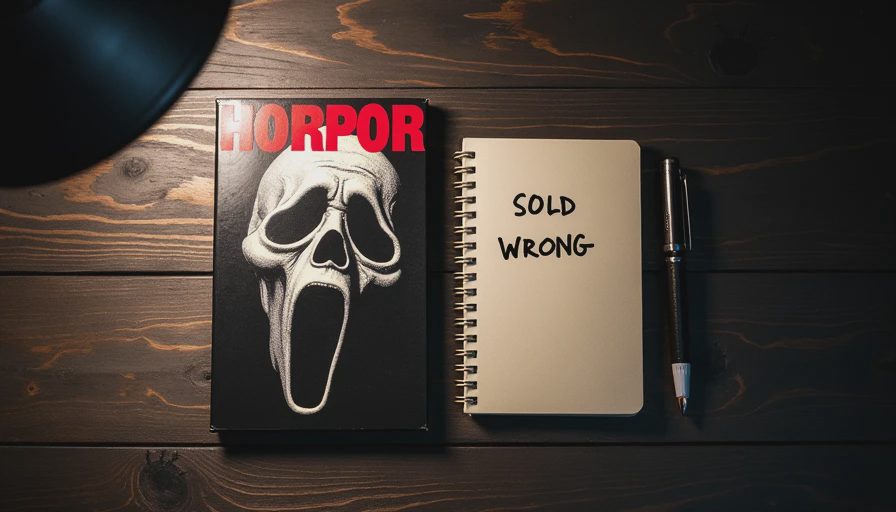
I was browsing Steam one evening, scrolling through the horror section. I saw the cover art—a screaming face, dark colors, a title in bold red text. The trailer showed quick cuts of monsters jumping out of dark corners.
I was about to scroll past it. It looked like every other jump-scare game. Generic, low-budget, predictable.
But something made me stop. I read the reviews. A few people mentioned the atmosphere. A few people mentioned the sound design. No one mentioned jump scares.
I bought it. I played it.
And it wasn't what I expected. It wasn't a jump-scare game. It was a slow-burn atmospheric experience. The kind of game that builds tension slowly, that burrows into your mind, that stays with you long after you've stopped playing.
It was sold wrong. But it was built right.
The Game
Title: [REDACTED]
Platforms: PC
Reviews: ~300 at time of writing
I'm not naming the game because I want to focus on the lesson, not the specific title. If you're curious, I'll mention it at the end.
The game was a horror experience set in a decaying mansion. You play as a detective investigating a disappearance. The game is about uncovering secrets, piecing together a story, and surviving the things that lurk in the shadows.
The mechanics are simple. You explore, you find clues, you solve puzzles. The combat is minimal—you're not a fighter, you're a survivor.
The horror comes from the atmosphere. The creaking floorboards. The distant whispers. The shadows that move when you're not looking.
It was a slow-burn, atmospheric horror experience.
The Marketing Problem
The marketing didn't match the game.
The trailer was full of quick cuts. Jumpscares. Loud noises. Monsters leaping out of darkness.
It looked like every other generic horror game. The kind that's designed for YouTube reaction videos. The kind that's made to get a quick scream and then be forgotten.
But the game itself wasn't like that. It was quiet. It was atmospheric. It was slow.
The marketing was trying to sell the game to the wrong audience. It was trying to attract people who wanted jump scares. But the game wasn't designed for that audience.
The people who would have loved the game—people who appreciate atmospheric horror—might have missed it because the marketing looked generic.
The Right Audience
Atmospheric horror has a specific audience.
It's not for people who want quick thrills. It's for people who want a slow burn. People who appreciate tension over shock. People who want to sit with a feeling, not just react to it.
If you liked games like Amnesia: The Dark Descent, SOMA, or Layers of Fear, you'll probably like this game.
If you're looking for a quick scare, it's not for you.
Why the Game Worked
Despite the marketing, the game was well-made.
The atmosphere. The decaying mansion felt lived-in and real. The sound design was excellent. The lighting was dramatic. The game created a sense of dread that never fully lifted.
The story. The story was well-written. The characters were developed. The mystery was engaging.
The pacing. The game took its time. It didn't rush. It let the atmosphere build.
The restraint. The game didn't rely on jump scares. It used them sparingly—and when it did, they were earned.
What Could Have Been
I think about what could have been for this game.
If it had been marketed differently, it might have found its audience. If the developer had focused on the atmosphere, the sound design, the slow-burn tension, they might have attracted the right players.
Instead, the marketing tried to appeal to everyone. The generic horror game audience got a generic horror game trailer and moved on. The atmospheric horror audience saw the trailer and assumed it was generic.
The game was caught in between. It didn't find its people.
The Lesson
This game taught me something about marketing.
It's not enough to have a good game. You need to present it to the right people. You need to tell the right story.
If you're making a slow-burn atmospheric horror game, don't sell it as a jump-scare game. You'll attract the wrong audience and lose the right one.
Be honest about what your game is. The people who want that experience will find it.
The Bottom Line
The game was sold wrong. But it was built right.
It's not a perfect game. It's rough around the edges. The controls are a bit clunky. The pacing is slow. But it's well-made and atmospheric.
If you're looking for a quiet, atmospheric horror experience, this is a game you should check out.
This is the kind of game that needs someone to mention it.
Not a masterpiece. Still worth your time.

No notes on this sheet yet.