The best new indie games are not always the ones filling your social feeds. A crowded release calendar can bury a thoughtful adventure, an inventive strategy game, or a strange little horror title before most players even notice it. I spend a lot of time sorting through Steam pages, festival demos, and itch.io rabbit holes because I would rather recommend three games with a clear reason to play them than list thirty titles I barely remember.
This is not a ranking of whatever launched with the biggest trailer. It is a practical guide to new indie games that offer a distinct idea, respect your time, or create the kind of moment that stays with you after you shut down your PC. Some are polished and approachable. Others ask for patience. None need exaggerated praise to make a case.
What makes a new indie game worth noticing
A small budget does not automatically make a game interesting. Plenty of indie releases copy familiar systems, stretch a five-hour concept across twenty hours, or confuse inconvenience with depth. The new indie games I keep returning to usually have a sharper quality: they understand what they are trying to do.
That might mean a compact mystery that makes every conversation matter, a deck builder with one genuinely fresh rule, or a farming game that treats routine as atmosphere instead of busywork. Strong presentation helps, but a clever core is more important than a glossy trailer. I also look for games that establish their rhythm quickly. Adult players with jobs, families, and a backlog do not always have ten hours to wait for a game to become itself.
A useful test is simple. Can you describe the appeal without using “immersive,” “cinematic,” or “must-play”? If the answer is yes, the game probably has an identity. One title might turn inventory management into a tense moral choice. Another might use a small town, a short map, and a limited cast to make every location feel familiar. Those details are often more valuable than a giant feature list.
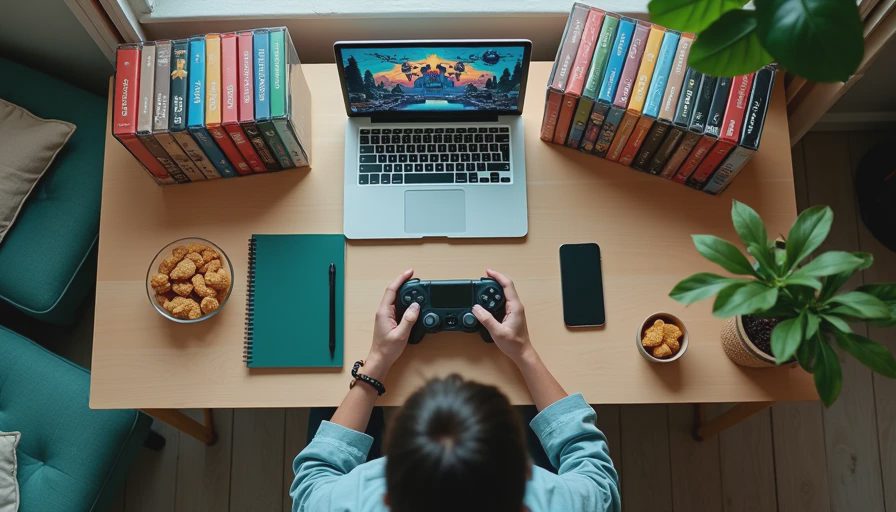
Where I look for new indie games
Steam is still the practical starting point, but its discovery tools work best when you use them with a filter. I check recent user reviews, controller support, the last update date, and the first few screenshots. A page with twelve nearly identical combat images tells me less than one screenshot showing how the player actually spends an evening in the game.
I also watch for demos from Steam Next Fest and smaller digital showcases. A demo does not need to be long to be useful. Fifteen focused minutes can reveal whether movement feels good, dialogue has a real voice, and the central mechanic has room to develop. Itch.io is especially useful for unusual experiments, short narrative games, and projects that would never survive a conventional store page.
New indie games often arrive quietly through early access, so I check the development history before buying. Frequent updates, readable patch notes, and specific explanations are encouraging signs. That does not guarantee a finished product, but it shows that the creator is treating the project as something more than a storefront promise.
A few types of releases worth your attention
One reliable category is the compact narrative game. These releases often run between two and eight hours, making them easier to finish than a sprawling role-playing game. The best ones use that length deliberately. They introduce a setting, develop a relationship, and leave before the idea becomes repetitive. If you enjoy games such as Oxenfree or The Case of the Golden Idol, look for new indie games that put investigation and conversation ahead of constant combat.
Another promising group is the systems-driven game with a narrow scope. A small shop simulator, logistics puzzle, or turn-based tactics game can become surprisingly absorbing when its rules interact cleanly. I am less interested in how many systems a game advertises than whether one decision creates a meaningful consequence. Choosing which customer to disappoint, which tool to repair, or which route to risk can be more memorable than another oversized skill tree.
There is also room for rough-edged games with a strong atmosphere. A pixel-art horror game does not need photorealistic lighting if its sound design and pacing create tension. A quiet walking game can work with simple environments if each space gives you a reason to look closer. Not a masterpiece. Still worth your time is a fair description for many good small releases.

How to choose from a crowded release calendar
Start with the time you actually have. For a busy week, choose a game with short sessions, clear saving, and a campaign under ten hours. If you have a free weekend, a deeper strategy game can make sense, but read about the learning curve first. “Easy to understand, difficult to master” sometimes means the tutorial is incomplete.
Next, decide what kind of attention you want to give. Some new indie games are ideal for a quiet evening with headphones. Others work better while you are taking breaks, cooking dinner, or playing in thirty-minute sessions. A game built around careful reading may not suit a distracted night, while a score-chasing arcade title may be perfect.
Price matters too. Many worthwhile releases land between $10 and $25, and demos can prevent an expensive mistake. Wishlist a game if you are uncertain, then check whether updates improve performance or add the feature you need. Waiting is not a failure to support independent developers. Sometimes it is the sensible way to buy a better version of the same game.
A simple shortlist for your backlog
When I find new indie games, I write down three things: the central hook, the expected length, and the reason I would start it this month. “It looks cool” is not enough. “A six-hour detective game where evidence changes which suspect you trust” is useful. So is “a relaxed delivery game for twenty-minute sessions after the kids are asleep.”
I also separate curiosity from commitment. A game can be worth watching without being worth buying today. Put unfinished early-access projects in one list, complete releases in another, and demos in a third. This prevents your backlog from becoming a graveyard of vague intentions.
Before installing, read two positive reviews and two critical ones. Look for repeated details about pacing, crashes, repetition, and accessibility options. One angry review is usually noise; several people describing the same issue is information. This small habit has saved me more money than any sale event.
Why overlooked games deserve a closer look
Hype is useful for discovering what exists, but it is a poor measure of lasting quality. New indie games can launch during a major release week, miss a streamer trend, or simply lack the marketing budget to appear in every recommendation queue. None of those things tells you whether the design works.
The reward for looking past the front page is not always a hidden classic. Sometimes you find a modest game with one excellent idea and a few rough edges. That is still a good outcome. A thoughtful six-hour experience can fit more naturally into a real adult life than a hundred-hour obligation that keeps moving down the backlog.
So browse slowly. Try the demo, read the update notes, and pay attention to what the game is actually promising. Not everything loud is worth your time. Not everything quiet should be missed. If you want a calmer way to find new indie games, start with the titles that give you a specific reason to care, then let the rest of the noise pass by.





No notes on this sheet yet.