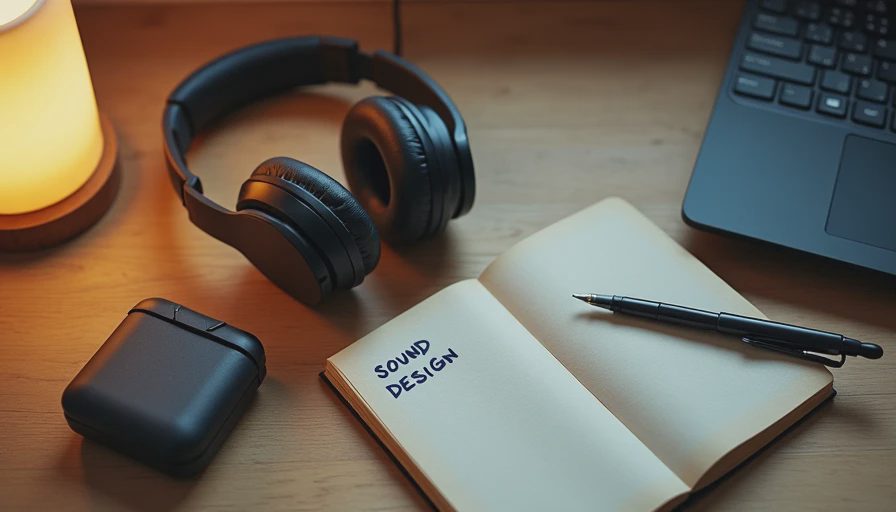
The Sound That Made Me Stop
I was playing a small indie game a few years ago.
It was a walking simulator, one of those games where you explore a quiet world and piece together a story. I was walking through a forest, following a path. Nothing was happening. I was starting to get bored.
And then I heard it.
A creak. A branch bending in the distance. A rustle of leaves that was slightly off.
I stopped moving. I listened. The game's sound design had made me pause.
That moment changed how I think about sound in games.
What Sound Design Actually Does
Sound design is more than just background music.
It's the footsteps that tell you what surface you're walking on. It's the creak of a door that warns you something is coming. It's the absence of sound that makes you feel uneasy.
Sound design sets the mood, creates tension, and tells you things the visuals can't.
In big-budget games, sound is often just one part of the package. It's polished. It's functional. But it's not always the star.
In small games, sound design can be the difference between a game that works and one that doesn't.
Why Sound Matters More in Small Games
Small games often have limited budgets for visuals.
They can't afford detailed 3D models. They can't afford motion capture. They can't afford cinematic cutscenes.
But they can afford good sound. The budget for audio is smaller than for visuals, and the return on investment is huge.
In a small game, sound carries the weight. It creates the atmosphere. It fills in the gaps. It makes the world feel real.
I've played small games where the sound design was better than the visuals. The audio carried the experience. The game worked because of the sound.
Examples of Great Sound Design
Let me give you some examples of small games with excellent sound design.
A Short Hike. The sound of footsteps on different surfaces—grass, rock, sand. The gentle music that adapts to your movement. The subtle ambient sounds—birds, wind, water. The sound design makes the world feel alive.
Inside. The industrial noise of the world. The thud of footsteps on metal. The distant hum of machinery. The silence that makes you hold your breath. The sound design creates the tension.
Firewatch. The sound of walking through the forest—leaves, branches, gravel. The distant crackle of a fire. The voice acting that feels immediate and real. The sound design makes the world feel lived-in.
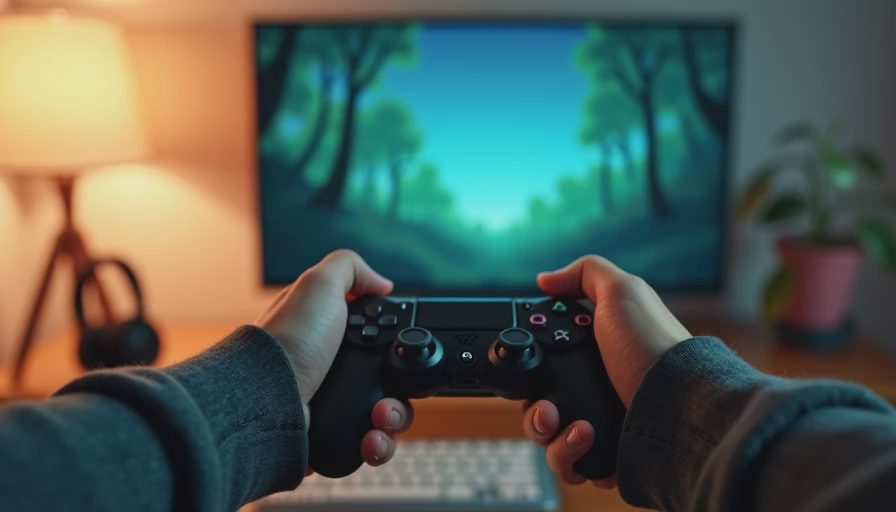
What to Listen For
When you're playing a game, pay attention to the sound.
Listen to the footsteps. What material are they walking on? How does the sound change? Are the footsteps in sync with the movement?
Listen to the ambient sounds. What's happening in the background? Wind, birds, distant machinery? Do these sounds feel like they belong in the world?
Listen to the music. Does it adapt to what's happening? Does it rise and fall with tension? Does it add to the mood or distract from it?
Listen to the silences. When there's no sound, what does that mean? Is it intentional? Is it a moment to breathe? Or does it feel empty?
The Sound That Makes It Work
I've played games where the sound design was the reason they worked.
One game—I won't name it—has a mechanic where you have to avoid enemies in the dark. The visuals are limited. You can barely see anything. The sound is the only thing that tells you where the enemies are.
Without the sound, the game would be impossible. With the sound, it's terrifying.
Another game has no dialogue. The story is told through sound—through ambient noises, through music, through moments of silence. The sound design carries the narrative.
The Underrated Craft
Sound design is underrated.
It's not as visible as graphics. It's not as exciting as gameplay. It's not as discussed as story.
But it's essential. It's the thing that makes a world feel real. The thing that makes tension feel tangible. The thing that makes emotion feel earned.
I've learned to pay more attention to sound design. I've learned to appreciate the craft behind it. I've learned to notice when it's working—and when it's missing.
The Bottom Line
Sound design carries small games further than most reviews notice.
It creates atmosphere. It builds tension. It communicates information. It makes the world feel real.
In small games, where budgets are limited, sound is often the thing that makes the experience work.
Next time you're playing a small game, close your eyes and listen. You might be surprised by what you hear.
What it does well is smaller—and smarter—than the marketing suggests.
Not a masterpiece. Still worth your time.



No notes on this sheet yet.