The best indie horror games are not always the ones filling a Steam banner or appearing in every seasonal showcase. Some arrive quietly, get compared to a larger classic, and disappear before most players have time to notice. That is a shame, especially if you are an adult with limited evening hours and no interest in spending them on a six-hour game built around one tired jump scare. These recommendations focus on atmosphere, unusual ideas, and horror that stays in your head after you close the game.
What makes an indie horror game worth playing?
I look for a few practical things before adding a title to my play-later list. First, the game needs a clear identity. It does not have to be original in every detail, but it should know whether it wants to unsettle, overwhelm, disgust, or simply make an ordinary room feel unsafe. Second, its mechanics should support the fear. Inventory limits, unreliable information, awkward movement, and careful exploration can all work when they create meaningful tension rather than busywork.
Finally, length matters. A focused four-hour game can land harder than a padded fifteen-hour campaign. That is particularly true for horror, where repetition quickly drains the mystery. The best indie horror games understand when to leave a question unanswered and when to give the player one disturbing detail too many.
Signalis
Signalis is a compact survival horror game with a cold, retro-futurist surface and a story that rewards patience. Its fixed-camera presentation, constrained inventory, and looping sense of place recall older Resident Evil and Silent Hill without functioning as a simple imitation. The game trusts you to connect images, documents, and recurring locations on your own.
It is not a relaxing recommendation. The backtracking can feel deliberate to one player and frustrating to another, especially when key items compete for limited inventory space. Still, the mood is unusually consistent. Flickering lights, distant sounds, and stark industrial rooms create pressure without needing constant attacks. If you want horror that feels designed rather than assembled from familiar effects, start here.
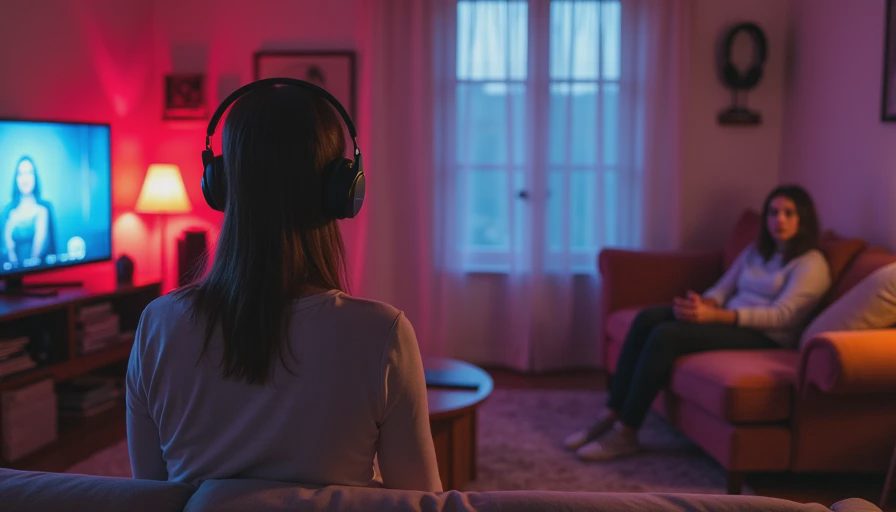
Quiet dread and ordinary places
The Mortuary Assistant
The Mortuary Assistant turns a workplace routine into a steadily worsening nightmare. You prepare bodies, complete paperwork, and move through a mortuary that becomes less trustworthy as the night continues. The premise is direct, but the changing details give each shift a useful sense of uncertainty. You learn procedures while trying to identify what is actually happening around you.
The game is not subtle in every moment. Some scares are built to make you jump, and its presentation can feel rough around the edges. That roughness is part of why it works for me. The room feels like a real workplace before it becomes a horror space, which gives the supernatural interruptions something concrete to violate. It is a good choice for players who want an accessible, replayable scare rather than an elaborate lore puzzle.
Stories Untold
Stories Untold is best approached with as little advance information as possible. It combines text adventures, old computer interfaces, and first-person exploration into a short anthology about technology, memory, and consequences. The opening segment looks almost modest, but the structure gradually changes what you think you are doing.
This is not a game built around combat or elaborate enemy behavior. Its strength is the feeling that a familiar interface has become unreliable. Typing commands, reading screens, and examining a small room can feel more intimate than running through a large haunted facility. The best indie horror games often use limitation as a strength, and Stories Untold understands that the player’s imagination can supply details no model or animation could match.
Games that leave a mark
Faith: The Unholy Trinity
Faith uses deliberately primitive pixel graphics, chunky animation, and a palette that looks closer to an old computer game than a modern horror release. That choice could have been a gimmick. Instead, it gives the game a strange visual language: figures move in ways that seem wrong, empty spaces become threatening, and small changes in a familiar scene carry real weight.
The story draws from religious horror and possession films, but the game is more interested in timing and implication than constant explanation. Its controls are simple, although some encounters require experimentation. The presentation will not work for everyone, particularly if you need modern visuals to create tension. For players who enjoy discovering an overlooked game with a strong point of view, though, this one got buried for reasons that had little to do with its ideas.
Crow Country
Crow Country is a love letter to early console survival horror, but it is not only nostalgia. You explore an abandoned theme park, solve environmental puzzles, manage resources, and gradually uncover what happened there. The cheerful attractions and decaying facilities create a useful contrast, giving the setting personality beyond the usual abandoned mansion.
Its visual style sits between low-resolution retro graphics and cleaner modern presentation. That makes it approachable for players who enjoy classic survival horror but do not want to wrestle with every old control convention. The puzzles are generally readable, the setting is memorable, and the campaign respects your time. It is not trying to reinvent the genre. It knows that a carefully arranged room, a suspicious note, and one locked door can still do excellent work.

A short list for different kinds of horror fans
If you want psychological unease and a story to discuss afterward, choose Signalis or Stories Untold. If you want a more direct supernatural experience, The Mortuary Assistant is the easier recommendation. Faith is the pick for players who value atmosphere over visual fidelity, while Crow Country fits anyone who misses the structure of classic survival horror but wants modern conveniences.
I would also add Mouthwashing for players comfortable with intense subject matter and an oppressive narrative. It is more story-driven than the other recommendations, with a deliberately unpleasant atmosphere and a cast shaped by pressure and bad decisions. It is not a casual evening game, and its themes can be harsh. That discomfort is central to its design, so it should be approached with some awareness rather than treated as a generic scare machine.
The best indie horror games rarely need a huge map or an endless progression system. They need one strong idea, a setting that supports it, and enough confidence to stop before the effect wears out.
How to choose your next horror game
Before buying, check the expected playtime, controller support, and content notes on the store page. A short game priced around $10 to $20 can be a better fit than a discounted open-world release if you only have a few uninterrupted nights. Watch a spoiler-light trailer rather than a full walkthrough, and read recent reviews for practical issues such as subtitles, save behavior, or difficult keyboard controls.
I also recommend choosing by mood. Pick Signalis when you want a demanding mystery, Crow Country when you want exploration and puzzles, or Faith when you want concentrated unease in short sessions. Do not let a low review count decide for you. Small games often lack the marketing reach that pushes a title into every recommendation feed.
That is why these best indie horror games deserve a place on a careful backlog, not because every one is flawless, but because each has a reason to exist. Not everything loud is worth your time. Not everything quiet should be missed.


No notes on this sheet yet.